Protein shakes are everywhere, but most of them are just protein. Shaklee Life Shake takes a broader approach: a complete nutritional foundation built around 20 grams of protein, added leucine, 25 essential vitamins and minerals, fiber, prebiotics, and omega-3s, now reformulated with zero grams of sugar. This review looks at what is actually in the 2026 formula, what the nutrition science says about its key ingredients, and who it makes sense for.
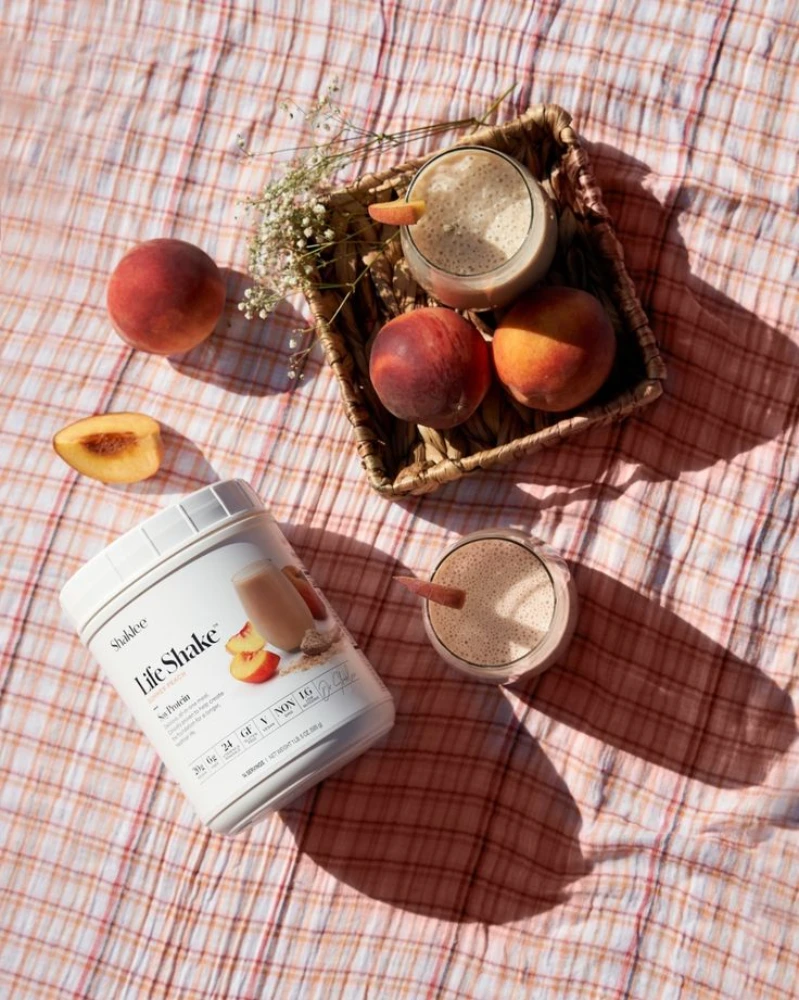
What is in the new Life Shake formula
Life Shake has been through six decades of iteration: Shaklee launched its first protein drink in the early 1960s, and the current version reflects the newest update to that long lineage. Each two-scoop serving delivers:
20 grams of high-quality protein with precise ratios of all nine essential amino acids, available in a plant protein blend or a soy protein version. Added leucine, the amino acid most directly tied to muscle protein synthesis. 25 essential vitamins and minerals, including B vitamins such as B12 for caffeine-free energy support. 6 grams of fiber, plus a proprietary prebiotic from ancient grains and digestive enzymes for gut comfort. ALA omega-3, an essential fatty acid most diets run short on. And notably for 2026: zero grams of sugar, sweetened naturally with monk fruit and Reb M instead of cane sugar or artificial sweeteners.
That last change matters. Many “healthy” shakes still carry 5 to 12 grams of added sugar per serving. Moving to a zero-sugar system while keeping a natural sweetener profile puts Life Shake in a small group of complete-nutrition shakes suitable for people watching blood sugar impact.
Why leucine is the headline ingredient
Protein quantity gets the marketing attention, but protein quality is where the science lives. Leucine is the branched-chain amino acid that acts as the primary trigger for muscle protein synthesis: research in older adults has shown that enriching a protein dose with extra leucine significantly increases the muscle-building response compared with the same protein alone (Katsanos et al., 2006). This is why leucine content, not just total grams, is increasingly used to judge a protein supplement.
It matters most for adults over 40. Muscle mass naturally declines with age, roughly 3 to 8 percent per decade after 30, and preserving lean muscle supports strength, balance, metabolism, and long-term mobility. Life Shake’s combination of 20 grams of complete protein plus supplemental leucine is designed around exactly that leucine-threshold research. Shaklee also reports that the branched-chain amino acids in Life Shake are clinically shown to be highly bioavailable, meaning the body can actually absorb and use them.
Protein, GLP-1, and appetite
One of the more current claims on the label involves GLP-1, the satiety hormone at the center of today’s weight-management conversation. Here is the honest scientific framing: protein is the most satiating macronutrient, and higher-protein meals reliably increase fullness and reduce subsequent food intake, partly through the body’s own GLP-1 and related satiety signals (Paddon-Jones et al., 2008). Life Shake leans on that mechanism: 20 grams of protein plus leucine to support the body’s natural GLP-1 response, helping control appetite and reduce cravings between meals.
To be clear, a protein shake is not a GLP-1 drug and does not act like one. What the research supports is that a high-protein, high-fiber shake genuinely helps people feel fuller for longer, and Shaklee reports clinical research showing Life Shake helps users lose weight and keep it off when used as part of a sensible plan. That is a realistic, food-first approach to appetite, not a pharmaceutical shortcut.
The gut health layer: fiber, prebiotics, and enzymes
Most protein powders contain little or no fiber. Life Shake includes 6 grams per serving, roughly a fifth of the daily target most adults miss, alongside a prebiotic sourced from ancient grains and digestive enzymes. Dietary fiber and prebiotics support regularity, feed beneficial gut bacteria, and are consistently associated with better metabolic and digestive health in the nutrition literature (Slavin, 2013). The enzymes are a practical addition: they help with the digestion comfort issues some people experience with protein shakes.
Plant or soy: which version to choose
Both versions deliver the same core promise: 20 grams of complete protein, leucine, 25 vitamins and minerals, 6 grams of fiber, and zero sugar. The plant protein version suits anyone avoiding soy or wanting a vegan-friendly blend. The soy protein version uses one of the most studied proteins in nutrition science: soy protein is a complete protein, and regular intake has long been associated with heart health benefits as part of a diet low in saturated fat. Flavor range covers vanilla, chocolate, strawberry, and cafe latte depending on the version, and both mix with water or any milk: two scoops in 8 ounces is the standard serving.
How it fits into a real day
The most common ways people use Life Shake: a fast, complete breakfast on busy mornings; a post-workout protein dose where the leucine content earns its keep; a meal companion for anyone trying to hit protein targets without extra cooking; and an afternoon option that heads off the snack drawer. Because it carries a full micronutrient panel rather than just protein, it works as genuine meal nutrition rather than a bare supplement. For recipe ideas, see our 5 quick Life Shake recipes ready in 5 minutes.
The bottom line
Life Shake is one of the few shakes that treats protein as the start of the formula rather than the whole story. The 2026 update strengthens the case: zero sugar with natural sweeteners, 20 grams of complete protein with added leucine aligned to real muscle-protein-synthesis research, meaningful fiber and prebiotics, and a full vitamin and mineral panel, all backed by Shaklee’s clinical testing culture and 100% money-back guarantee. For anyone building a longevity-minded routine, it is a credible daily foundation rather than a fad product.
Explore Shaklee Life Shake here.
Sources Cited:
1. Shaklee Corporation. Life Shake product information and clinical claims. https://us.shaklee.com/en_US/new/Protein/Life-Shake%E2%84%A2-Plant-Protein/p/21413.
2. Katsanos CS, Kobayashi H, Sheffield-Moore M, Aarsland A, Wolfe RR. “A high proportion of leucine is required for optimal stimulation of the rate of muscle protein synthesis by essential amino acids in the elderly.” American Journal of Physiology: Endocrinology and Metabolism, 2006.
3. Paddon-Jones D, Westman E, Mattes RD, Wolfe RR, Astrup A, Westerterp-Plantenga M. “Protein, weight management, and satiety.” American Journal of Clinical Nutrition, 2008.
4. Slavin J. “Fiber and prebiotics: mechanisms and health benefits.” Nutrients, 2013.